Search
The Future is Seamless: Under-Display Cameras are Coming to iPhones?
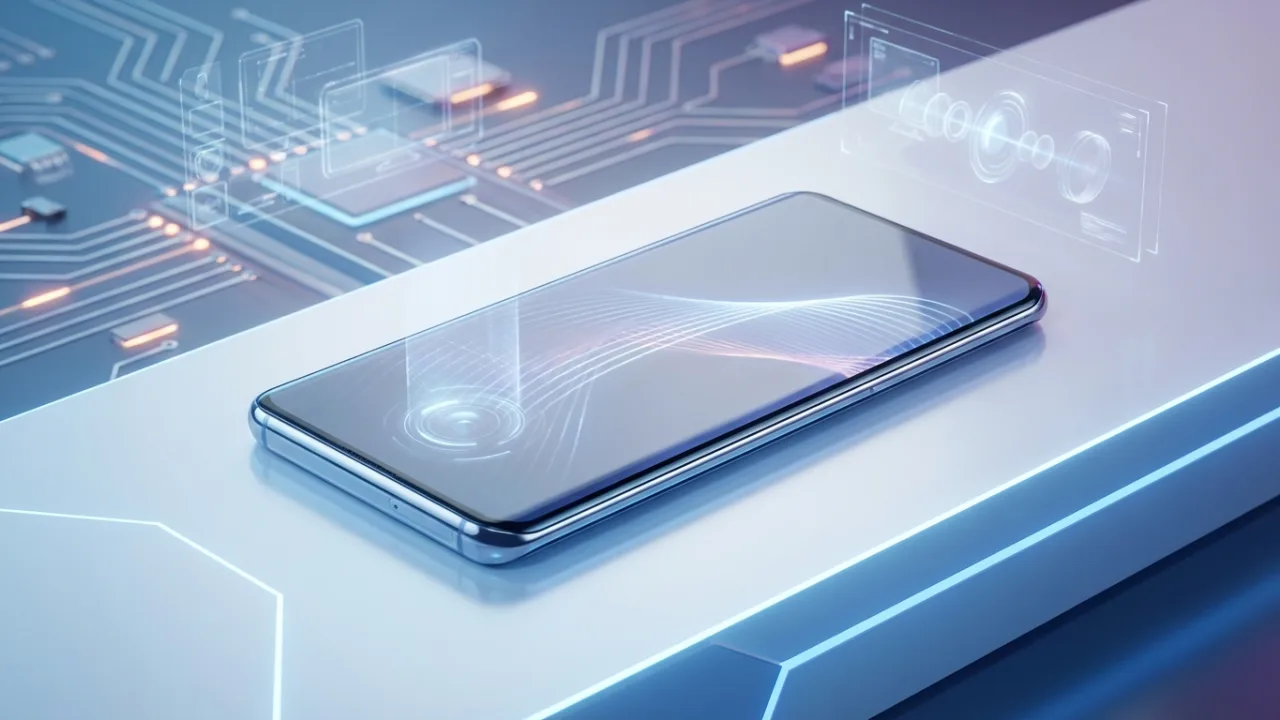
The Future is Seamless: Under-Display Cameras are Coming to iPhones?
For years, smartphone manufacturers have been chasing the dream of a truly bezel-less display. The notch, the hole-punch, and even pop-up cameras were all steps towards maximizing screen real estate, but none offered a truly seamless solution. Now, under-display camera (UDC) technology is emerging as the next frontier, promising a front-facing camera that sits completely hidden beneath the screen. Could the iPhone 17 be the device to finally bring this technology to the mainstream?
The Promise of a Truly Immersive Display
The appeal of an under-display camera is undeniable. Imagine a smartphone where the entire front surface is a vibrant, uninterrupted display. No notches, no cutouts, just pure, unadulterated screen. This not only enhances the viewing experience for videos, games, and photos but also provides a more elegant and modern aesthetic.
Currently, front-facing cameras occupy valuable screen space. While manufacturers have minimized their impact with increasingly smaller notches and punch-hole designs, these solutions still represent a compromise. UDC technology eliminates this compromise, allowing for a truly immersive and distraction-free experience.
The Challenges and Advancements of UDC Technology
While the concept is exciting, the development of under-display camera technology has faced significant hurdles. The primary challenge lies in capturing high-quality images through the display layers above the camera sensor. These layers can distort light, reduce clarity, and introduce unwanted artifacts.
Early iterations of UDC technology suffered from noticeable image quality issues, including soft focus, poor dynamic range, and a hazy appearance. These shortcomings made the technology unsuitable for widespread adoption. However, significant advancements are being made to overcome these challenges.
These advancements include:
- Improved Display Materials: Manufacturers are developing new display materials with higher transparency in the area above the camera. This allows more light to reach the sensor, improving image quality.
- Advanced Image Processing Algorithms: Sophisticated algorithms are being used to compensate for the distortions caused by the display layers. These algorithms can correct for blurriness, improve color accuracy, and enhance dynamic range.
- Optimized Camera Hardware: Camera sensors and lenses are being specifically designed for under-display applications. These components are optimized to capture the maximum amount of light and minimize distortions.
- Pixel Binning Technology: Combining data from multiple pixels to create a single, larger pixel, which effectively increases light sensitivity and reduces noise, is also improving image quality.
Thanks to these advancements, the image quality of UDC technology is rapidly improving. Recent implementations are showing significantly better results than earlier versions, making the technology increasingly viable for mainstream adoption.
The iPhone 17: A Potential Game Changer?
Rumors are circulating that Apple is actively exploring under-display camera technology and may integrate it into the iPhone 17. While Apple is known for taking a cautious approach to new technologies, prioritizing polish and reliability over being first to market, the potential benefits of UDC align perfectly with Apple's design philosophy.
A seamless, full-screen display would be a major selling point for the iPhone 17, differentiating it from competitors and further solidifying Apple's position as a leader in innovation. Moreover, Apple's expertise in image processing could be crucial in overcoming the remaining challenges of UDC technology.
If Apple does incorporate UDC into the iPhone 17, it would likely represent a significant leap forward for the technology. Apple's rigorous quality standards and meticulous attention to detail would ensure that the implementation is seamless and that image quality is on par with existing front-facing cameras.
What to Expect from Future UDC Technology
Even if the iPhone 17 doesn't feature an under-display camera, it's clear that this technology is the future of smartphone displays. As advancements continue, we can expect to see further improvements in image quality, transparency, and overall performance.
In the coming years, UDC technology is likely to become a standard feature on high-end smartphones. This will pave the way for truly immersive and bezel-less displays, transforming the way we interact with our mobile devices.
Beyond smartphones, UDC technology has potential applications in other areas, such as laptops, tablets, and even augmented reality (AR) headsets. The ability to seamlessly integrate cameras into displays could unlock new possibilities for these devices, creating more immersive and intuitive user experiences.
Conclusion: Embracing the Bezel-Less Future
Under-display camera technology represents a significant step towards the ultimate goal of a truly bezel-less smartphone. While early iterations faced challenges, ongoing advancements are rapidly improving the technology's viability. The potential integration of UDC into the iPhone 17 could be a watershed moment, signaling the arrival of a new era of seamless smartphone design. As UDC technology continues to evolve, we can expect to see it become a standard feature on mobile devices, transforming the way we experience and interact with the digital world. The future is seamless, and it's closer than you think.