Search
OLED TV: The Ultimate Display Technology Explained
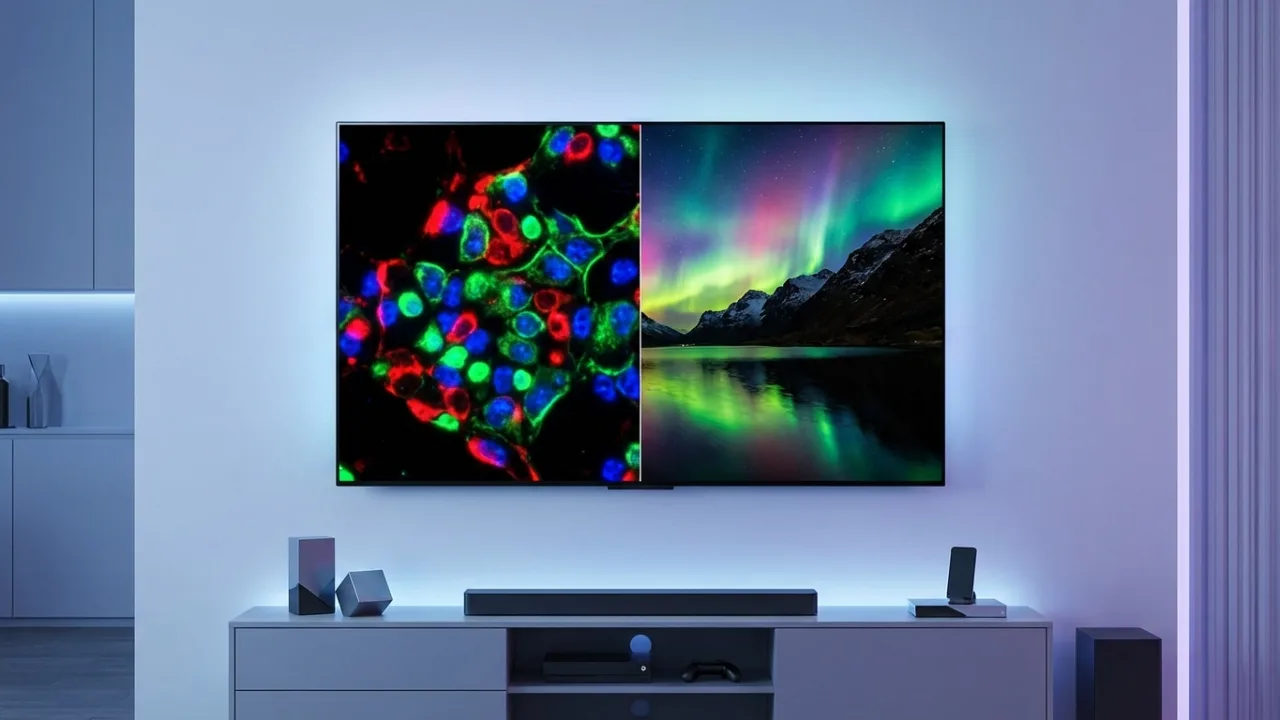
OLED TV: A Deep Dive into Display Perfection
In the realm of home entertainment, the OLED TV stands as a beacon of display technology, offering unparalleled picture quality and an immersive viewing experience. But what exactly is OLED, and why is it considered superior to traditional LED TVs? Let's explore the fascinating world of OLED technology and discover why it's become a favorite among tech enthusiasts and cinephiles alike.
What is OLED Technology?
OLED stands for Organic Light Emitting Diode. Unlike traditional LED TVs that use a backlight to illuminate the entire screen, OLED TVs feature self-emissive pixels. This means each individual pixel generates its own light and color. When a pixel needs to be black, it simply turns off completely, resulting in perfect blacks and infinite contrast ratios.
Key Differences Between OLED and LED TVs:
- Backlighting: LED TVs require a backlight, while OLED TVs do not.
- Black Levels: OLED TVs offer perfect blacks, while LED TVs struggle to achieve true blacks due to backlight bleed.
- Contrast Ratio: OLED TVs boast infinite contrast ratios, while LED TVs have limited contrast ratios.
- Viewing Angles: OLED TVs maintain consistent picture quality from wide viewing angles, while LED TVs can suffer from color shifting.
- Response Time: OLED TVs have incredibly fast response times, resulting in smoother motion and less blur.
The Advantages of OLED TVs
OLED TVs offer a plethora of advantages that contribute to their superior picture quality:
- Perfect Blacks and Infinite Contrast: The ability to turn off individual pixels results in true blacks and an unparalleled contrast ratio, creating stunning depth and realism.
- Vibrant Colors: OLED TVs deliver rich, accurate colors with wide color gamuts, bringing images to life with incredible vibrancy.
- Wide Viewing Angles: Enjoy consistent picture quality from any viewing angle, making it ideal for large gatherings.
- Fast Response Times: Experience smooth, blur-free motion, perfect for fast-paced action movies and sports.
- Slim and Lightweight Design: OLED TVs can be incredibly thin and lightweight due to the absence of a backlight.
- Energy Efficiency: While brightness may vary, OLEDs can be more energy-efficient when displaying darker scenes, as black pixels consume no power.
Potential Drawbacks of OLED TVs
Despite their numerous advantages, OLED TVs do have some potential drawbacks to consider:
- Burn-In: While much improved over older technologies, there's a risk of permanent image retention (burn-in) if static images are displayed for extended periods. Modern OLED TVs have implemented various technologies to mitigate this risk.
- Brightness: OLED TVs typically aren't as bright as high-end LED TVs, which can be a factor in brightly lit rooms. However, OLED brightness has significantly improved in recent years.
- Cost: OLED TVs generally cost more than comparable LED TVs, although prices have been steadily decreasing.
OLED Burn-In Mitigation
OLED burn-in, or image retention, is a phenomenon where static images displayed for prolonged periods can leave a faint, permanent impression on the screen. While modern OLED TVs have implemented several features to minimize this risk, it's still a concern for some users. Here are some tips to prevent OLED burn-in:
- Avoid displaying static images for extended periods: This includes logos, news tickers, and video game HUDs.
- Use screen savers: Enable screen savers that activate after a period of inactivity.
- Utilize built-in burn-in mitigation features: Most OLED TVs have features like pixel shift, screen refresh, and logo luminance adjustment.
- Vary content: Watch a variety of content with different aspect ratios and color palettes.
- Adjust OLED Light/Brightness Settings: Reducing the OLED light or brightness can help reduce risk.
Choosing the Right OLED TV
When selecting an OLED TV, consider the following factors:
- Screen Size: Choose a screen size that's appropriate for your viewing distance and room size.
- Resolution: Opt for a 4K UHD OLED TV for the best picture quality. 8K OLED TVs are also available, but content is still limited.
- Smart TV Features: Consider the smart TV platform (e.g., webOS, Android TV) and its features, such as streaming apps, voice control, and smart home integration.
- Connectivity: Ensure the TV has sufficient HDMI ports, USB ports, and other connectivity options to accommodate your devices.
- HDR Support: Look for TVs that support HDR (High Dynamic Range) formats like HDR10, Dolby Vision, and HLG.
The Future of OLED Technology
OLED technology continues to evolve, with advancements in brightness, color accuracy, and burn-in mitigation. New technologies like QD-OLED (Quantum Dot OLED) are emerging, combining the best of both OLED and quantum dot technologies to deliver even greater picture quality. As OLED technology matures and production costs decrease, we can expect to see OLED TVs become even more affordable and accessible to a wider audience.
Conclusion: Is an OLED TV Right for You?
OLED TVs offer a truly exceptional viewing experience with their perfect blacks, vibrant colors, and wide viewing angles. While they may come with a higher price tag and potential burn-in risk, the superior picture quality and immersive experience make them a worthwhile investment for many. If you're a discerning viewer who values picture quality above all else, an OLED TV is an excellent choice for your home entertainment setup. Weigh the pros and cons carefully, consider your viewing habits, and choose the OLED TV that best suits your needs and preferences. Prepare to be amazed by the stunning visuals and unparalleled realism that OLED technology brings to your living room!